
Headway
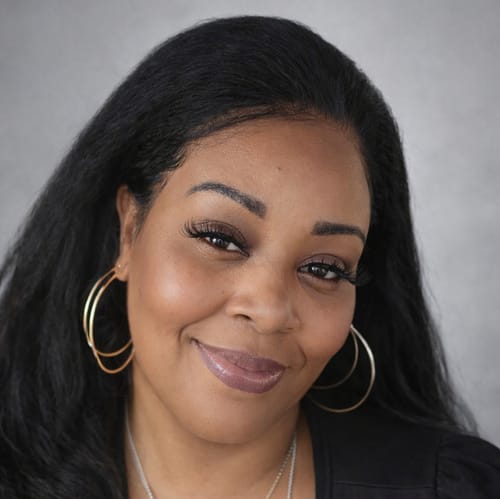
Headshot of Cherita Griffin, LPCC_S

Cherita Griffin

Therapist(She/Her)
2 years of experience
  • Anxiety, Depression, Cultural & ethnic issues, Women's issues, Trauma
  • Individual therapy, Couples therapy

Great to meet you!

If I could write a letter to my younger self, I would tell her this: You are not broken. You are responding to what you’ve been through. And one day, your healing will become someone else’s hope.

Hi, I’m Cherita Griffin, MS, LPCC-S, NCC, CYT, SEL-F, C-DBT, CMIP, a Licensed Professional Clinical Counselor with Supervisory Endorsement who has spent over 20 years supporting people through mental health challenges. I’m a trauma-informed therapist who deeply understands that healing is not just clinical... it’s personal.

I hold a Master’s degree in Clinical Mental Health Counseling and a Master’s in Applied Behavioral Analysis, complemented by a Bachelor’s in Criminal Justice with a concentration in Forensic Psychology.

I’m also a Certified Yoga Teacher (CYT), Social Emotional Learning Facilitator (SEL-F), Certified Dialectical Behavior Therapist (C-DBT), and Certified Mindfulness Informed Professional (CMIP), allowing me to integrate both evidence-based practices and holistic approaches into the work we do together.

I specialize in helping individuals who feel overwhelmed, stuck, emotionally exhausted, or disconnected from themselves find their way back to clarity, confidence, and peace. Many of my clients come to me struggling with anxiety, depression, trauma, life transitions, relationship challenges, and low self-worth, often feeling like they “know what to do,” but can’t quite apply it to their own lives.

In our work together, we don’t just talk, we gently uncover, process, and rebuild with a compassionate, real, and non-judgmental space.

This is a place where: • You don’t have to have it all together • You don’t have to carry everything alone • You can finally exhale

Healing is not about becoming someone new, it’s about returning to who you were before life taught you to shrink, question yourself, or survive in silence.

You deserve to feel whole, worthy, and at peace.

My approach to therapy

My approach to therapy is holistic, compassionate, and collaborative, blending evidence-based techniques with a deep respect for each person’s unique story, strengths, and lived experience.​

Core Principles

  • Humanistic and strengths-based: Therapy starts with the belief that you have inherent worth, resilience, and capacity for growth, we focus on your strengths, values, and what matters most to you, not just symptoms.​
  • Trauma-informed: I recognize how past experiences shape present reactions, creating safety, trust, and empowerment so you feel seen and supported without re-traumatization.​
  • Culturally responsive: Care honors your cultural, systemic, and identity contexts, especially for underserved communities facing barriers like poverty, discrimination, or marginalization. [provided]​

Evidence-Based Tools I Use

I draw from my training and experience (C-DBT, TF-CBT, SEL-F, CMIP, CYT) to tailor interventions:​

  • Dialectical Behavior Therapy (DBT): For emotion regulation, distress tolerance, and building mindfulness skills in anxiety, depression, or intense emotions.
  • Trauma-Focused CBT (TF-CBT): For processing trauma while rebuilding safety and self-worth.
  • Social Emotional Learning (SEL): Self-awareness, self-management, relationship skills, and decision-making to navigate life’s challenges.
  • Mindfulness and somatic practices: Body-based tools (including yoga-informed approaches) to ground, reduce stress, and reconnect with the present moment.

What you can expect from me

In our first session together, you can expect a warm, welcoming space where we focus on getting to know each other, understanding your story, and starting to build trust and clarity around what brings you here.​

What Happens Step by Step

  • Warm welcome (first 5–10 minutes): We’ll start with a brief check-in—how you are feeling today, any immediate concerns, and practical details like session length (typically 50–60 minutes). I’ll share a bit about my approach to make sure it feels like a good fit.​
  • Your story (20–30 minutes): We’ll explore what prompted you to reach out, your current challenges, strengths, and goals. No pressure to share more than you are ready for—I follow your pace with open, non-judgmental questions.​
  • Assessment and collaboration (10–15 minutes): I’ll ask about symptoms, history, supports, and preferences to get a holistic picture. Together, we’ll identify 1–2 initial priorities and brainstorm small, practical steps you can try before our next session.​
  • Wrap-up and next steps (last 5 minutes): We’ll summarize key insights, schedule follow-ups if it feels right, and I’ll answer any questions about process, fees, or confidentiality. You’ll leave with a clear sense of direction and hope.​

The Vibe and My Role

Expect compassion, curiosity, and empowerment, no judgment, no “fix-it” agendas. As a trauma-informed clinician, I prioritize safety and choice, you guide what we cover. Many clients describe feeling “heard for the first time” and leave with at least one actionable tool, like a simple breathing exercise or boundary phrase.​

This is your space; I’m here to walk alongside you. If you have specific hopes or worries about session one, let me know so we can tailor it even more.

About me

  • I identify as
    Black or African descent, Cisgender Woman
  • My style is
    Challenging, Warm, Empowering

Qualification and insurance

  • Years of experience
    2 years of experience
  • Training
    MC (Masters in Counseling) at Walden University
  • License type
    LPCC (Licensed Professional Clinical Counselor) (Ohio)
  • Licensed in
  • Insurance accepted
    Aetna, Anthem Blue Cross and Blue Shield, Carelon Behavioral Health, Cigna, Providence Health Plan

Cost

Care details

  • Top specialties
    Anxiety, Depression, Cultural & ethnic issues, Women's issues, Trauma
  • More specialties
    ADD/ADHD, Family issues, Stress management, Anger management, Grief or loss, Maternal mental health, Relationship issues, Identity issues, PTSD
  • Therapy methods
    Cognitive Behavioral (CBT), Solution Focused Couples Therapy, Mindfulness-Based Cognitive Therapy (MBCT), Emotion Focused Therapy (EFT), Solution Focused Brief Therapy (SFBT), Internal Family Systems Therapy (IFS), Dialectical Behavioral Therapy (DBT), Problem-Solving Therapy (PST), Acceptance and Commitment Therapy (ACT), Somatic, Trauma Focused CBT, Relational, Motivational Interviewing
  • Care types
    Individual therapy, Couples therapy
  • Ages served
    Adults, Seniors, Adolescents
  • Languages
    English