
Headway
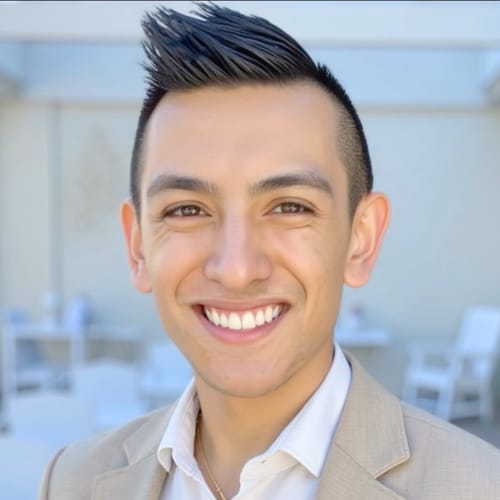
Headshot of Earl Johns, NP

Earl Johns

Psychiatric Mental Health NP(he/him/his)
4 years of experience
  • Virtual
  • Substance use / addiction, Anxiety, ADD/ADHD, Depression, LGBTQIA+
  • Medication management, Individual therapy

Great to meet you!

Hi! My name is Earl Johns, a Board-Certified Psychiatric Nurse Practitioner (Psych NP) and the founder of Wellthy Psychiatry, a virtual mental health practice serving LGBTQIA+ adults and allies across California.

As an Asian, Latinx, neurodivergent clinician, I know I bring a unique perspective to mental health and wellbeing. If you are looking for someone different, someone who will truly listen to your concerns and support you in reaching your goals, you do not need to look further. I grew up in the Bay Area and earned my master’s in psychiatry at UCSF, which is consistently ranked among the top programs for psychiatric nurse practitioners. My clinical training included residencies at UCSF Psychiatry as well as Crestwood Healing Center in the San Francisco Bay Area.

Because of my lived identities and experiences, I understand the stressors, stigma, and intersectional challenges faced by LGBTQIA+ individuals and other marginalized communities. My work is informed by this awareness and grounded in affirming, compassionate care.

I am an integrative psychiatric provider who believes mental health is far more than medications, though medications can be a helpful tool. In building treatment plans, I emphasize personalization. I consider your medical history, lifestyle, and your preferences around medications and holistic approaches. I also offer therapy services, allowing clients to receive both medication management and talk-based support in one unified, supportive space.

I enjoy working with a diverse group of individuals navigating depression, anxiety, trauma, autism, ADHD, mood instability, and substance use. I also support higher functioning folx and professionals. I see clients ages 16 to 65.

You can learn more at wellthypsychiatry.com.

My approach to therapy

My approach is integrative, affirming, and client-centered. I believe that medication is a powerful tool — when used well — but it’s often most effective when combined with psychosocial support, self-awareness, and lifestyle change.

Here are a few key principles that guide my work:

  • Affirmation & inclusion I center LGBTQIA+ identities and experiences. My aim is to create a safe space where you never feel judged or misunderstood for your gender, sexuality, or identity.
  • Evidence-based + holistic I rely on sound psychiatric practice (diagnostic clarity, monitoring, pharmacotherapy) but also attend to mind-body-soul: sleep, nutrition, mindfulness, movement, and other wellness practices.
  • Collaboration & transparency You are the expert in your life. I’ll explain options, risks, and benefits, and I welcome your input and feedback. Together, we’ll co-create a plan that feels manageable and meaningful to you.
  • Trauma-sensitive & stigma-aware I understand that many people seeking psychiatric care have past trauma, medical trauma, or social trauma (especially within marginalized communities). My practice is grounded in sensitivity to those dynamics, and I aim to reduce stigma in all interactions.
  • Flexibility & pacing Healing doesn’t follow a linear path. I work at your pace — sometimes we go deep, sometimes we wait, and sometimes we reorient. That flexibility is built into the process.

What you can expect from me

Your very first session is about building connection, establishing safety, and laying groundwork — not fixing everything in one hour. Here’s what you can expect:

  1. Introductions & rapport-building We’ll spend time getting to know each other. I’ll invite you to share what brought you into care, your history, your concerns, and what’s important to you in treatment.
  2. Assessment & history I’ll ask about your mental health history, medical background, medications, family history, past therapy or psychiatric care, substance use, trauma, and social supports. I’ll also ask about your current functioning: sleep, mood, energy, relationships, work, goals.
  3. Clarify goals & priorities You’ll get to say what you’d like to achieve (or what feels most urgent), and together we’ll identify early goals. We’ll also talk about what’s realistic in the near term.
  4. Discuss treatment options Based on your assessment, I’ll share my initial impressions and possible treatment routes — whether medication, psychotherapy, lifestyle modifications, or a combination — explaining pros, cons, and next steps. We’ll prioritize what feels right for you.
  5. Frame next steps We’ll set a follow-up plan (frequency, check-ins), review logistics (telehealth, in-person, contact rules), and I’ll invite questions. At the end, my aim is for you to leave feeling understood, heard, and hopeful.

Throughout, I try to emphasize safety, transparency, and consent: I check in often (“how is this pace for you?”), encourage questions, and make space if you need to pause or reflect.

About me

  • I identify as
    Asian, Caucasian, Latinx, Other Racial or Ethnic Background, Pacific Islander, South Asian, Hispanic, Cisgender Man
  • My style is
    Warm, Affirming, Holistic

Qualification and insurance

  • Years of experience
    4 years of experience
  • Training
    MSN (Master of Science in Nursing) at University of California San Francisco, DNP (Doctor of Nursing Practice)
  • License type
    NP (Nurse Practitioner) (California)
  • Licensed in
  • Insurance accepted
    Aetna, Anthem Blue Cross, Carelon Behavioral Health, Cigna, Horizon Blue Cross and Blue Shield of New Jersey, Independence Blue Cross Pennsylvania - Virtual National Network, Oxford, Providence Health Plan, United Healthcare

Cost

Care details

  • Top specialties
    Substance use / addiction, Anxiety, ADD/ADHD, Depression, LGBTQIA+
  • More specialties
    Bipolar disorder, Eating disorders, OCD, Sleep disorder, Family issues, Stress management, Anger management, Panic disorders, Cultural & ethnic issues, End of life care, Grief or loss, Physical health issues, Men's issues, Relationship issues, Identity issues, Trauma, PTSD, Transgender issues, Diabetes, Chronic conditions
  • Therapy methods
    Behavior Modification, Schema, Mindfulness-Based Cognitive Therapy (MBCT), Motivational Interviewing, Behavioral Activation (BA), Narrative Therapy, Strength-Based, Interpersonal Psychotherapy (IPT), Acceptance and Commitment Therapy (ACT), Relational, Solution Focused Brief Therapy (SFBT), Humanistic, Trauma Focused CBT, Somatic
  • Care types
    Medication management, Individual therapy
  • Ages served
    Seniors, Infants / Toddlers, Adolescents, Adults, Children
  • Languages
    English