
Headway
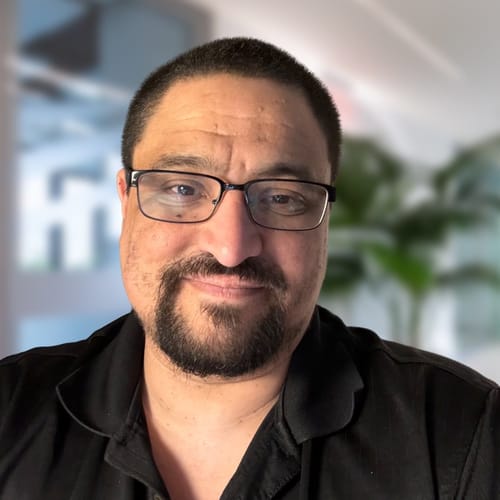
Headshot of Luis Otero DeSantiago, LMHC

Luis Otero DeSantiago

Therapist(He/Him)
7 years of experience
  • Virtual
  • PTSD
  • Individual therapy

Great to meet you!

I believe therapy should be a place where you feel safe, understood, and respected—not judged or rushed. My approach is warm, collaborative, and focused on helping you understand not only what you are experiencing, but also the deeper patterns, experiences, and beliefs that may be keeping you stuck.

I specialize in trauma, PTSD, complex trauma, anxiety, and the lasting effects of difficult or overwhelming life experiences. I work extensively with first responders and individuals who have experienced childhood trauma, attachment wounds, relationship trauma, and other experiences that continue to affect their emotions, relationships, sense of safety, or self-worth.

My work is trauma-informed and integrates EMDR therapy, Ericksonian hypnotherapy, ego-state work, CBT, and other evidence-based approaches. Rather than relying solely on traditional talk therapy, I often incorporate approaches that work with the nervous system, body sensations, emotions, memories, and deeply held beliefs.

I am a Certified EMDR Therapist and use EMDR extensively in my practice, including stabilization and resourcing techniques for clients who may need additional support before beginning trauma processing. Treatment is always paced according to the individual; trauma therapy should challenge you enough to create change without overwhelming your ability to remain present and regulated.

Most importantly, I see therapy as something we do together. You bring your experiences, strengths, and goals, and I bring specialized training and a range of therapeutic tools. Together, we determine which approach makes the most sense for you and work toward helping you feel safer, more grounded, and less controlled by experiences from your past.

My approach to therapy

My approach to therapy is collaborative, individualized, and trauma-informed. I don’t believe that one therapeutic approach works for everyone. Instead, I take the time to understand what you are experiencing, how those patterns developed, and what may be happening emotionally, cognitively, and within your nervous system.

While insight and understanding are important, I also believe therapy should help create meaningful change. Trauma and difficult life experiences are not always resolved simply by talking about them. For this reason, I integrate approaches such as EMDR therapy, Ericksonian hypnotherapy, ego-state work, CBT, and nervous-system regulation techniques depending on your individual needs.

When working with trauma, we begin by establishing safety, developing coping and regulation skills, and making sure you have the resources necessary to approach difficult material without becoming overwhelmed. From there, we can work with distressing memories, emotions, body sensations, negative beliefs, and patterns that may continue to affect your life in the present.

I also recognize that behaviors that appear problematic today may have once served an important protective purpose. Rather than asking, “What is wrong with you?” I am often interested in understanding, “What did your mind and nervous system learn to do in order to protect you?” Once we understand those patterns, we can begin helping your system recognize that it may no longer need to respond in the same way.

Therapy with me is active and collaborative. I will meet you where you are, explain what we are doing and why, and adjust our approach based on how you respond. The goal is not simply to manage symptoms, but to help you develop a greater sense of safety, flexibility, self-understanding, and freedom from the experiences and patterns that have been holding you back.

What you can expect from me

Your first session is an opportunity for us to get to know one another and begin understanding what brings you to therapy, what you would like to change, and what you hope to gain from our work together. You do not need to arrive knowing exactly where to begin or having everything figured out.

We will talk about your current concerns, relevant history, previous experiences with therapy, and any patterns or symptoms that may be affecting your life. I will also begin assessing your strengths, coping resources, and how your nervous system responds to stress so that we can develop an approach that fits your individual needs.

If you are coming to me specifically for trauma therapy or EMDR, we generally will not jump immediately into processing your most difficult experiences. I believe effective trauma work begins with establishing safety, trust, and an understanding of your ability to remain regulated while approaching difficult material. We may introduce grounding, breathing, bilateral stimulation, visualization, or other stabilization and resourcing techniques that you can begin using both inside and outside of therapy.

I will also explain the therapeutic approaches I believe may be helpful and answer questions about interventions such as EMDR, Ericksonian hypnotherapy, ego-state interventions, CBT, or other techniques we may incorporate.

Most importantly, the first session is collaborative. You remain in control of what you choose to share and the pace at which we work. By the end of the session, my goal is for you to have a clearer understanding of how we can work together and to feel that we have begun developing a thoughtful and individualized path forward.

About me

  • I identify as
    Caucasian, Hispanic, Latinx, Cisgender Man
  • My style is
    Warm, Direct, Affirming

Qualification and insurance

  • Years of experience
    7 years of experience
  • Training
    MS (Master of Science) at Nova University
  • License type
    LMHC (Licensed Mental Health Counselor) (Florida)
  • Licensed in
  • Insurance accepted
    Aetna, Ascension, Blue Cross Blue Shield of Massachusetts, Carelon Behavioral Health, Cigna, Curative, Florida Blue, Oscar, Oxford, Providence Health Plan, United Healthcare

Cost

Care details

  • Top specialties
    PTSD
  • More specialties
    Substance use / addiction, Anxiety, Men's issues
  • Therapy methods
    Cognitive Behavioral (CBT), Strength-Based, Trauma Focused CBT, Schema, Gestalt, Eye Movement Desensitization and Reprocessing (EMDR), Motivational Interviewing
  • Care types
    Individual therapy
  • Ages served
    Adults
  • Languages
    English