
Headway
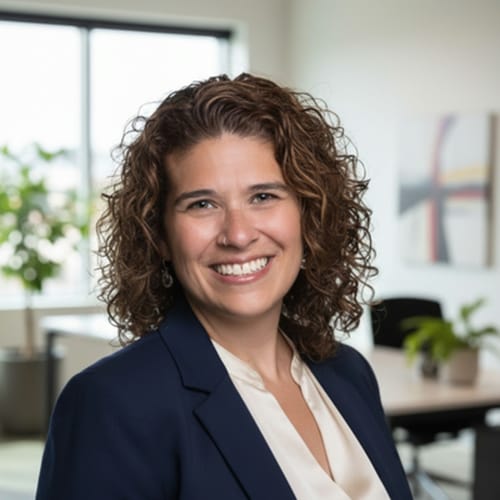
Headshot of Therasa Yehling, LCSW

Therasa Yehling

Therapist(She/Her)
21 years of experience
  • Virtual
  • LGBTQIA+, Women's issues, PTSD
  • Individual therapy

Great to meet you!

Hello, my name is Therasa Yehling. I'm a Licensed Clinical Social Worker (LCSW), Certified Domestic Violence Professional (CDVP), and a Certified Clinical Trauma Professional (CCTP). I am a trauma-informed therapist with over 20 years of clinical experience and more than 25 years of experience working with individuals impacted by trauma, domestic violence, sexual assault, grief, and life transitions. My approach is collaborative, strengths-based, and tailored to each client's unique needs. I believe people are capable of healing and growth, and I strive to provide a safe, supportive, and nonjudgmental space where clients can explore challenges, build resilience, and create meaningful change. I utilize evidence-based and trauma-specific approaches, including CBT, TF-CBT, EMDR, mindfulness, and somatic techniques, to help clients move toward healing, empowerment, and improved well-being.

My approach to therapy

When providing therapy I always want to create a sense of psychological safety for each client I meet with. I want to develop a sense of trust and transparency that the person I'm working with can feel they can be open and honest about their situation without judgement or prejudice. I am a therapist who wants to collaborate with those im working with and that they understand we are working together on their journey of healing. I encourage and teach people to empower themselves to make the best decision possible for themselves. I always validate feelings, offer options, and support the person's personal choice and control. Part of being a trauma-informed therapist is having the awareness of to integrate cultural, historical, gender, trauma and oppression into understanding of the person before me because those experiences shape people's identity and how they think.

What you can expect from me

Many people feel nervous about starting therapy, and that's completely normal. The first session is an opportunity for us to get to know each other and determine whether we are a good fit. We'll discuss what brought you to therapy, your current concerns, relevant history, and what you hope to achieve through the therapeutic process.

I will ask questions to better understand your experiences, strengths, support systems, and any challenges you may be facing. This is also your opportunity to ask questions about my approach, therapy in general, or anything else that will help you feel comfortable moving forward.

My goal is to create a safe, supportive, and nonjudgmental environment where you feel heard and respected. We will move at a pace that feels comfortable for you. By the end of our first session, we'll begin identifying goals and discussing a plan that is tailored to your needs. You do not need to have everything figured out before coming to therapy—our work together is about exploring, understanding, and creating a path toward healing and growth.

About me

  • I identify as
    Caucasian, Cisgender Woman
  • My style is
    Warm, Empowering, Humorous

Qualification and insurance

  • Years of experience
    21 years of experience
  • Training
    MSW (Master of Social Work) at Aurora University
  • License type
    LCSW (Licensed Clinical Social Worker) (Illinois)
  • Licensed in
  • Insurance accepted
    Aetna, Ascension, Blue Cross and Blue Shield of Illinois, Carelon Behavioral Health, Cigna, Horizon Blue Cross and Blue Shield of New Jersey, Independence Blue Cross Pennsylvania - Virtual National Network

Cost

Care details

  • Top specialties
    LGBTQIA+, Women's issues, PTSD
  • More specialties
    Anxiety, Depression, Stress management, Grief or loss, Identity issues, Trauma, Transgender issues, Chronic conditions
  • Therapy methods
    Somatic, Positive Psychology, Mindfulness-Based Cognitive Therapy (MBCT), Cognitive Behavioral (CBT), Trauma Focused CBT, Eye Movement Desensitization and Reprocessing (EMDR), Problem-Solving Therapy (PST), Attachment Based, Acceptance and Commitment Therapy (ACT), Strength-Based
  • Care types
    Individual therapy
  • Ages served
    Adults, Adolescents, Seniors
  • Languages
    English