
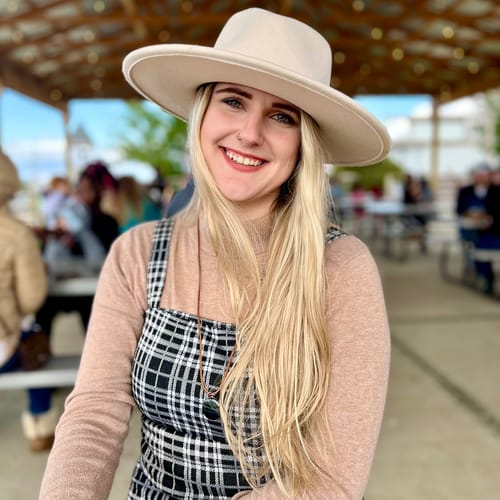
I’m a licensed therapist in private practice who works with teens and adults navigating trauma, neurodivergence, anxiety, depression, self-esteem, and substance use concerns. I have a special focus on supporting neurodivergent and LGBTQIA+ clients, as well as people who have spent much of their lives feeling misunderstood, “too much,” or not quite fitting into the spaces around them.
I am neurodivergent myself, and that lived experience shapes how I show up in therapy. I understand how exhausting it can be to move through a world that wasn’t built for your nervous system or way of thinking. Because of this, I aim to create a space where you don’t have to mask, explain yourself, or earn safety — you are already welcome as you are.
I use evidence-based approaches including EMDR, DBT, and CBT through a trauma-informed, neurodivergent-affirming lens. I believe there is nothing broken about you; many struggles make sense in the context of past experiences, chronic stress, or unmet needs. My role is to help you understand yourself with more compassion and build tools that actually support your life.
My approach to therapy is collaborative, compassionate, and grounded in safety. I believe therapy works best when you feel seen, respected, and actively involved in the process — not talked at or pressured to change before you’re ready.
I integrate EMDR to gently process trauma and distressing experiences, DBT to support emotional regulation and coping, and CBT to help untangle unhelpful thought patterns. I balance warmth with gentle, thoughtful challenges, especially around patterns like avoidance, self-blame, or minimizing your own needs — always at a pace that feels manageable.
I place a strong emphasis on learning and practicing skills outside of crisis, so they are more accessible when life feels overwhelming. Sessions are structured but flexible, with room for curiosity, honesty, and even humor when it fits.
Your first session is meant to feel calm, supportive, and low pressure. We’ll start by talking about what brought you to therapy, what you’re hoping for, and anything you feel is important for me to know right now. There is no expectation to share everything at once — we move at your pace.
I’ll ask questions to understand your experiences, symptoms, and goals, and I’ll explain how therapy with me works so you know what to expect. If it feels helpful, we may identify a few initial areas of focus, but the primary goal of the first session is building safety and trust.
My hope is that you leave the first session feeling heard, understood, and a little less alone — with a clearer sense of whether this feels like a good fit for you.