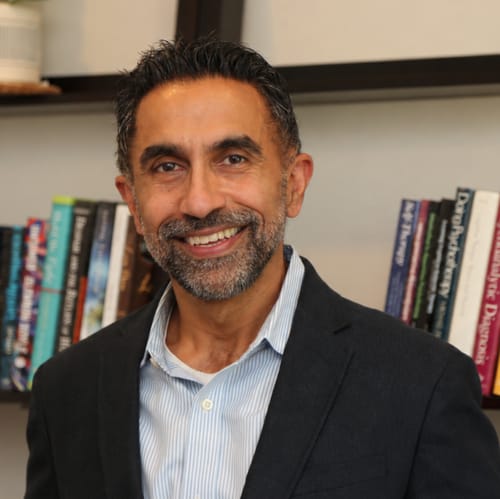
Long before "Holistic" became fashionable, I've always found it important to connect with the person sitting in front of me, to understand them and their story, rather than primarily looking to identify a set of criteria that fits into a DSM-V diagnosis and quickly pursuing a treatment course to address these symptoms. While medications can be enormously valuable in treatment when carefully chosen and monitored, and side effects managed, they are sometimes not enough by themselves to bring about true, lasting relief.
My approach extends beyond my expertise in medications. I think its quite important to understand the underpinnings of symptoms and behaviors to truly help someone. I'm a big believer that with many, if not most people, achieving significant change and experiencing lasting, durable relief from symptoms requires looking beyond the biological model of illness and looking beyond medications alone. This is why I take the time necessary to understand my patients, starting with a thorough and comprehensive assessment and continuing through treatment sessions conducted in a thoughtful and curious manner, with the depth that is required to truly understand the causes of suffering and formulate a plan to help bring about relief.
To help achieve this less than straightforward task, I employ a variety of psychotherapeutic approaches and styles including cognitive behavioral (CBT), Internal Family Systems (IFS) therapy, Psychodynamic therapy, and Supportive therapy. When I think it would be helpful, I offer my patients sessions in which the psychotherapy can be a bigger part and focus of the session. Taking this approach of focused and frequent attention and investigation can help free people from patterns and ways of thinking and feeling that they have felt stuck in before.