
Headway
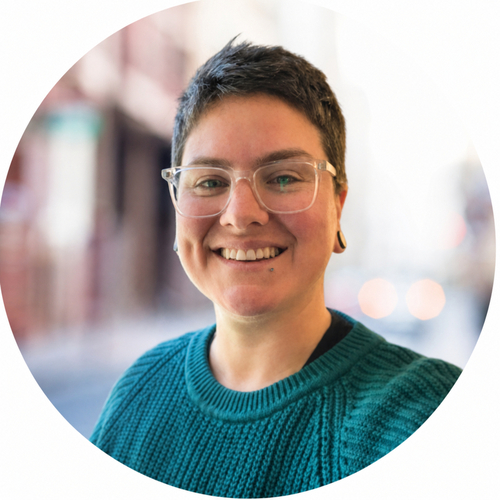
Headshot of Arren Lenau, LICSW

Arren Lenau

Therapist
~1 year of experience
  • Virtual
  • Family issues, LGBTQIA+, Trauma, PTSD
  • Individual therapy

Great to meet you!

I'm Arren — a queer, gender-nonconforming, polyamorous therapist based in Seattle's Capitol Hill, and I've spent my career doing work that I genuinely believe in: helping queer and trans people, and people carrying complex trauma, find their way back to themselves.

My lived experience isn't a footnote in my practice — it's central to it. I know what it's like to move through the world in a body and identity that others don't always understand. I know what it's like to have to explain yourself before you can get to the real work. In our sessions, you won't have to do that.

I work with adults navigating trauma and PTSD, gender dysphoria, relationship and identity questions, depression, ADHD, and the particular exhaustion that comes from living as a queer or trans person in systems not built for you. I also work with people exploring non-monogamy and polyamory — all relationship structures are welcome here.

I'm a relational therapist at my core. The research on what makes therapy work is clear: it's the relationship. I invest in getting to know you as a full human being before anything else. From there, we figure out the rest together.

My approach to therapy

My two main tools are EMDR (Eye Movement Desensitization and Reprocessing) and Acceptance and Commitment Therapy (ACT). For trauma and PTSD, I also use Cognitive Processing Therapy (CPT) — an evidence-based protocol specifically designed for trauma recovery.

EMDR works by helping the brain reprocess stuck memories so they lose their grip — you don't have to relive or retell everything to heal from it. ACT helps you build a life that feels aligned with your values, even while working through hard things. These two approaches work well together for most of my clients.

That said, I don't apply a rigid protocol to everyone. I also draw on psychodynamic work, Dialectical Behavior Therapy (DBT) skills, motivational interviewing, strength-based frameworks, and hypnotherapy. My job is to understand you well enough to know which approach will actually help — and to be honest with you if something isn't working so we can try something else.

The thread through all of it: we work with the whole person, not just the symptom.

What you can expect from me

The first session is really about getting to know each other. I'll ask you some questions about your life, your history, and what brought you here — but there's no script, and there's nothing you have to share before you're ready.

More than anything, I want to understand what you're hoping for. What does feeling better actually look like for you? What would be different? We'll use that as our compass, and we'll check in along the way to make sure we're on a path that feels right.

Many people feel nervous before their first session — that's completely normal. I also know that for a lot of queer and trans folks, stepping into a therapy room (or a video call) involves a real act of trust. I don't take that lightly. My job in that first hour is to make sure you feel safe enough to come back.

About me

  • I identify as
    Caucasian, Non-binary
  • My style is
    Inquisitive, Humorous, Open Minded

Qualification and insurance

  • Years of experience
    ~1 year of experience
  • Training
    MSSW (Master of Science in Social Work) at University of Washington
  • License type
    LICSW (Licensed Independent Clinical Social Worker) (Washington)
  • Licensed in
  • Insurance accepted
    Aetna, Carelon Behavioral Health, Cigna

Cost

Care details

  • Top specialties
    Family issues, LGBTQIA+, Trauma, PTSD
  • More specialties
    ADD/ADHD, Depression, Stress management, Relationship issues, Identity issues, Transgender issues
  • Therapy methods
    Acceptance and Commitment Therapy (ACT), Psychodynamic, Cognitive Behavioral (CBT), Motivational Interviewing, Eye Movement Desensitization and Reprocessing (EMDR), Strength-Based, Cognitive Processing (CPT)
  • Care types
    Individual therapy
  • Ages served
    Adults
  • Languages
    English