
Great to meet you!
I take a strengths-based approach to empowering patients to move forward in the direction and areas that they would like to see positive and healthy change.
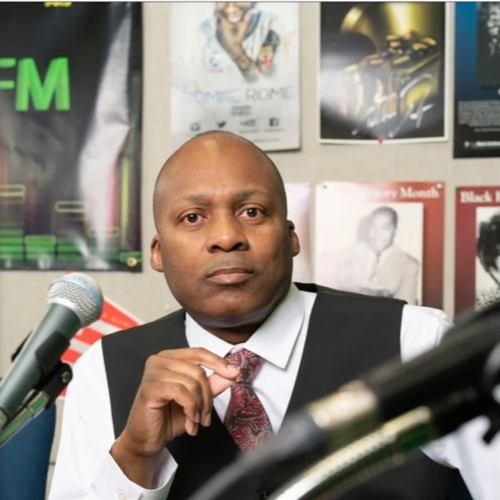
I take a strengths-based approach to empowering patients to move forward in the direction and areas that they would like to see positive and healthy change.
Therapy is an artistic science. The art lies in being able to connect with clients and join them in their journey towards growth and progress. The science lies in my ability to implement evidence-based practices effectively while also providing clients with the psychoeducation necessary for creating a foundation for forward movement (e.g., teaching clients the neuroscience behind their thoughts, feelings, and actions so that they might better develop the ability to manage their cognitive, emotive, and behavioral functioning).
I work with individuals, couples and families on such issues as relationship issues, problem solving, conflict resolution, communication enhancement, anger management, drug/alcohol abuse and addiction. Many of my clients present with depression, bipolar disorder and other mood disorders, psychotic disorders, ADHD, childhood disorders such as conduct disorder, oppositional defiant disorder, etc. I work with adults and couples on relationship/marital issues, domestic violence, etc. I work with clients who have experienced abuse, both sexual and physical. I assist parents with parent-child relational issues and behavior modification skill development. I also assist clients with anxiety disorders, grief/loss issues and struggles with adjusting to life circumstances. I've been practicing for over 25 years, and am as passionate about my work as I was when I entered the profession.
I like to hit the ground running. My intake sessions start off with reviewing and answering any questions about the intake packet's consent forms. Then I review with clients what they presented as the presenting problem, how that problem is impacting their emotional and behavioral functioning, and what their goals are for treatment (i.e. resolving that problem(s) or developing coping skills for managing the problem(s).