
Headway
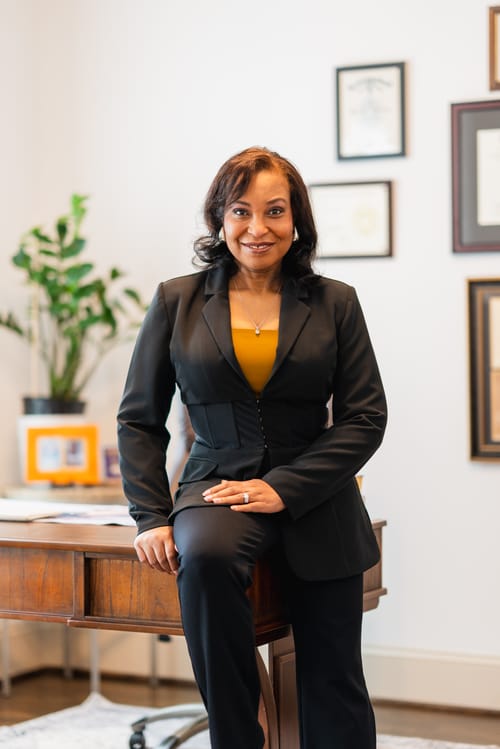
Headshot of Lud Harris, APRN

Lud Harris

Psychiatric Mental Health NP(She/her)
~1 year of experience
  • Virtual & in-person
  • Anxiety, ADD/ADHD, Depression, PTSD
  • Medication management, Individual therapy

Great to meet you!

I tend to approach both patient care and leadership the same way—I want things to feel clear, intentional, and connected. I don’t like fragmented care, and I don’t think patients should have to figure everything out on their own. My role is to help bring the pieces together in a way that actually makes sense.

At Catoosa Behavioral Health and Wellness, we’ve built things to support that kind of approach. I work closely with an in-house family medicine physician, so we’re not looking at mental health in isolation. If something medical could be contributing—hormones, metabolic issues, medication effects—we’re able to look at the full picture instead of guessing.

We also draw labs right here in the office, which makes a big difference. It allows us to monitor things like medication levels or underlying health conditions without sending patients all over the place. When it’s appropriate, I’ll also use pharmacogenetic testing, like GeneSight, to help guide medication decisions. It’s not something I use automatically, but in the right situation, it can really help us avoid a lot of trial and error.

I’m a strong believer that medication is only one piece of the puzzle. I encourage therapy whenever possible—not because it sounds good, but because it actually matters. We don’t provide therapy in-house, but I’ve built relationships with providers I trust, so when I make a referral, it’s intentional. The goal is for everything to work together, not feel disconnected.

At the end of the day, I want patients to feel like someone is actually paying attention—not just to symptoms, but to the whole picture. Care should feel thoughtful, not rushed. Structured, but still personal. And most importantly, it should move people forward, not just keep them “managing.”

My approach to therapy

I tend to approach care in a way that’s both thoughtful and practical. I’m not just looking at symptoms in isolation—I’m trying to understand the bigger picture. What’s actually driving what you’re feeling? What’s been tried already? And what would meaningful progress look like for you?

My style is collaborative and direct. I’ll ask a lot of questions, but not just to check boxes—I’m trying to understand how things show up in your real, day-to-day life. At the same time, I’ll be honest with you about what I’m seeing and what I think will help. I don’t believe in overcomplicating things, but I also don’t rush decisions, especially when it comes to medication.

I’m pretty intentional about prescribing. Medication can be helpful, but it’s just one tool. I focus on using it thoughtfully and only when it truly adds value. I also pay attention to things that often get missed, like sleep, stress, lifestyle, and underlying medical factors that can affect mental health.

At our practice, I work closely with an in-house family medicine physician, which allows us to look at both the mental health and medical side together. We can draw labs on-site to monitor things like medication levels or chronic conditions, and when it makes sense, I may use pharmacogenetic testing, like GeneSight, to help guide treatment decisions.

I work with adolescents and adults dealing with anxiety, depression, ADHD, trauma-related concerns, and more complex or treatment-resistant situations. I especially enjoy working with people who feel like they’ve tried different things but still aren’t where they want to be.

I also strongly encourage therapy as part of the process. While I don’t provide therapy myself, I refer to trusted providers so your care feels connected rather than pieced together.

Overall, my goal is to provide care that feels clear, grounded, and actually helpful—something that moves you forward, not just keeps things “manageable.”

What you can expect from me

When you meet with me for the first time, you can expect a conversation—not an interrogation, and definitely not something rushed. I’m going to ask questions, but more importantly, I’m listening for the bigger picture. I want to understand what’s been going on, how it’s affecting your day-to-day life, and what you feel is (or isn’t) working right now.

We’ll talk through your symptoms, your history, any past treatments, and also things that often get overlooked—sleep, stress, medical issues, and life circumstances. If you’ve tried medications before, I want to know what helped, what didn’t, and how you actually felt on them.

My goal in that first session is to start building clarity. Sometimes that means confirming a diagnosis, and other times it means slowing things down and asking, “Are we even looking at this the right way?” Either way, you should leave with a better understanding of what’s going on and a clear sense of next steps.

If treatment is appropriate, we’ll talk through options together. That might include medication, but I’m thoughtful about when and how I prescribe. I’ll also talk with you about therapy and other supports, because medication alone isn’t always the full answer.

Just as important, I want you to feel comfortable asking questions. This is a collaborative process—I’m not here to talk at you or make decisions without you. By the end of the session, you should feel heard, respected, and like we have a plan that actually makes sense for you.

About me

  • I identify as
    Black or African descent, Cisgender Woman
  • My style is
    Solution Oriented, Empowering, Holistic

Qualification and insurance

  • Years of experience
    ~1 year of experience
  • Training
    MS (Master of Science) at Brenau University, MSN (Master of Science in Nursing) at St. Thomas University
  • License type
    APRN (Advanced Practice Registered Nurse) (Georgia)
  • Licensed in
  • Insurance accepted
    Aetna, Anthem Blue Cross and Blue Shield, Carelon Behavioral Health, Cigna

Cost

Care details

  • Top specialties
  • More specialties
    Substance use / addiction, OCD, LGBTQIA+, Stress management, Anger management, Maternal mental health, Women's issues, Trauma, Chronic conditions
  • Therapy methods
    Solution Focused Brief Therapy (SFBT), Behavior Management, Motivational Interviewing
  • Care types
    Medication management, Individual therapy
  • Ages served
    Adolescents, Seniors, Adults
  • Languages
    English, Haitian Creole
  • Location
    102 RBC Drive
    Ringgold, GA 30736
Next available: Jun 23