
Headway
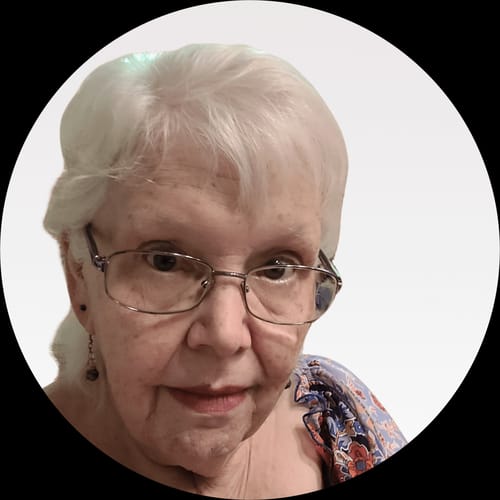
Headshot of Michelle Blake, LCSW

Dr. Michelle Blake

Therapist(She, her)
22 years of experience
  • Virtual
  • LGBTQIA+, Grief or loss, Women's issues, Infertility
  • Individual therapy, Family therapy

Great to meet you!

Breathe. Experience the good, life-sustaining air as it enters your body. Let stress, fear, doubt, and negativity begin to float away from you as you exhale. As you repeat, know that the Hebrew language uses the word Ruah to signify Spirit, breath, and life--an invitation to cherish the simple truth of being. Embrace and nurture that being. Albert Einstein acknowledged the gift of being as he acknowledged the importance of parents recognizing the uniqueness of every child. Fred Rogers affirmed this as he welcomed generations of children to be his neighbor. This is particularly brave when we consider its significance in 1960s and 1970s American society. Mahatma Gandhi proclaimed the sacredness of being when he refused to adhere to caste distinctions normative in Indian society in the early/mid 20th Century.

What does it mean to you to be? To recognize, nurture, and celebrate that essence? Sometimes it helps to have someone accompanying and encouraging you along that journey. I would be honored to be a traveling companion.

My approach to therapy

I began my career working primarily from a person-centered perspective, incorporating psychodynamic elements. Ironically, current neuroscience teaches us that lived experience shapes the development of neural pathways. While I am not willing to say that early experiences determine our development, I think there is evidence to support the hypothesis that they are shapers of growth and perspective.

A variety of theories and therapy models have developed over the last half-century, and each offers its own insights to the human psyche, its nurture, and its healing. Some of the ones you may be particularly likely to encounter in our work together are systems theory if we are discussing families, workplace settings, or communities and feminist theories about power and inequity, intersectionality as it applies to various aspects of human diversity, including gender, sexual orientation and gender identity, race, ethnic origin, language, physical ability. Sadly, reproductive concerns and parenting needs are other elements to consider.

Cognitive-Behavioral techniques will be of assistance as we explore thoughts, beliefs, challenges, and fears. Problem-solving and solution-focused strategies can be invaluable, particularly in times of difficulty. Narrative techniques can help us explore how the story might go. If warranted, we can discuss trauma-focused interventions.

Remember that throughout the journey, you get to make decisions on what is likely to be helpful to you. You are certainly free to tell me if something feels frightening or uncomfortable, and I will respect that. Confidentiality is important, and it will be honored. The only limitations are that therapists must report threat of harm to self or others, knowledge of the abuse or neglect of a child or otherwise vulnerable person, or if a legal summons requests therapy notes.

What you can expect from me

I want to provide a safe, welcoming environment in which to grow and explore.

About me

  • I identify as
    Caucasian, Cisgender Woman
  • My style is
    Open Minded, Warm, Empowering

Qualification and insurance

  • Years of experience
    22 years of experience
  • Training
    MSW (Master of Social Work) at University of Louisville, PhD (Doctor of Philosophy) at Florida State University
  • License type
    LCSW (Licensed Clinical Social Worker) (Indiana, Tennessee)
  • Licensed in
  • Insurance accepted
    Aetna, Anthem Blue Cross and Blue Shield, Blue Cross Blue Shield of Massachusetts, BlueCross BlueShield of Tennessee, Carelon Behavioral Health, Cigna

Cost

Care details

  • Top specialties
    LGBTQIA+, Grief or loss, Women's issues, Infertility
  • More specialties
    Anxiety, Depression, Cultural & ethnic issues, End of life care, Identity issues, Transgender issues
  • Therapy methods
    Psychodynamic, Positive Psychology, Eye Movement Desensitization and Reprocessing (EMDR), Narrative Therapy, Structural Family, Cognitive Behavioral (CBT), Interpersonal Psychotherapy (IPT), Motivational Interviewing
  • Care types
    Individual therapy, Family therapy
  • Ages served
    Adolescents, Adults, Children, Seniors
  • Languages
    English