
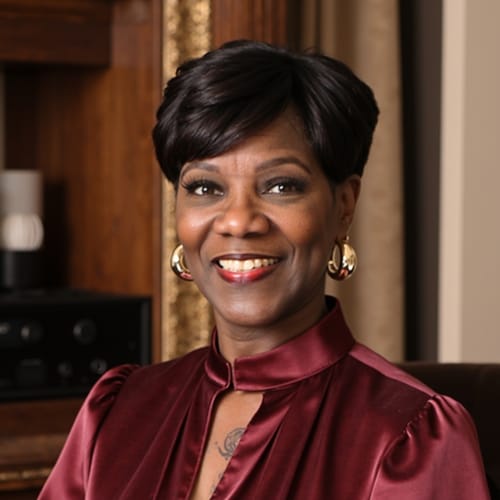
Great to meet you!
What you should know about me as a clinician is that I take this work seriously—and I expect you to take yourself seriously too. I’m a Licensed Professional Counselor (LPC) and National Certified Counselor (NCC) with a Master’s degree in Mental Health Counseling, and my approach goes beyond surface-level conversations. I’m here to help you understand what’s really driving your thoughts, emotions, and patterns so you can begin creating meaningful change.
Clients often tell me they feel comfortable opening up with me, and that matters. I create a space where you can be honest without feeling judged or dismissed. At the same time, I’m not a passive listener. I will ask questions that make you think, point out patterns you may not see, and challenge you when something isn’t serving you. That’s part of the process.
My approach is grounded, direct, and intentional. I focus heavily on emotional awareness—helping you understand what you’re feeling, why you’re feeling it, and how it’s showing up in your life and relationships. From there, we work on responding with intention rather than reacting out of habit or emotion.
I also believe that therapy works best when there’s consistency and effort. What we do in session matters, but what you do outside of session matters just as much. You don’t have to have it all together to start, but you do need to be willing to show up and do the work.
If you’re looking for a space where you’ll be supported, challenged, and held accountable in a way that leads to real, lasting change, we’ll likely work well together.