Book addiction counseling, covered by insurance
Addiction therapists & psychiatrists in Fort Myers, FL


Top addiction and substance use disorder therapists and psychiatrists in Fort Myers, FL
Struggling with substance use or addictive behaviors in Fort Myers? Headway connects you with 3,121 licensed providers experienced in evidence-based addiction treatment including CBT, motivational interviewing, and harm reduction strategies. Access flexible virtual or in-person sessions with support for recovery, relapse prevention, and dual diagnosis care.

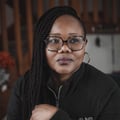

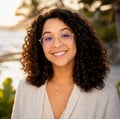
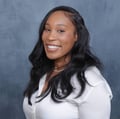
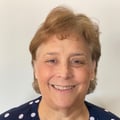
I'm Nicole a Licensed Mental Health Counselor (LMHC) and National Certified Counselor based in Altamonte Springs, FL, with a master's in Counseling from Barry University. I specialize in anxiety, ADHD, relational challenges, life transitions, and personal growth — and bring both professional expertise and lived experience to my work. Diagnosed with ADHD later in life myself, I deeply understand the journey of discovering your own strengths and building a life that works for you, not against you.


Are you feeling overwhelmed by anxiety, depression, stress, or relationship challenges? Many individuals find themselves stuck despite wanting meaningful change, especially when emotional distress begins to interfere with daily functioning and overall well-being. Therapy offers a structured and supportive space to better understand these challenges and develop effective coping strategies. Seeking professional support is an important first step, and meaningful change occurs through intentional work both in and outside the therapy setting.
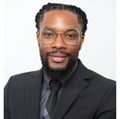
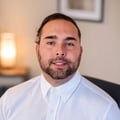
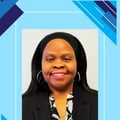
My name is Mick Desrameaux, LMHC, and I am a Licensed Mental Health Counselor with extensive experience treating anxiety disorders, depression, trauma-related symptoms, substance use concerns, and co-occurring mental health conditions. I work collaboratively with clients to increase self-awareness, emotional regulation, and insight into patterns that affect relationships and personal growth. My therapeutic approach is grounded in evidence-based practices, including Cognitive Behavioral Therapy (CBT), Dialectical Behavior Therapy (DBT), mindfulness, and motivational interviewing.
I provide a safe, confidential, and nonjudgmental therapy environment where clients feel respected and supported. My goal is to help individuals feel empowered, build healthier relationships, and develop practical skills for long-term emotional stability. I am committed to delivering client-centered, ethical, and culturally responsive mental health counseling, supporting clients as they move toward greater balance, resilience, and overall mental wellness.

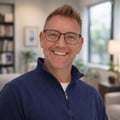
As a graduate of the University of Southern California and an active-duty Navy Licensed Clinical Social Worker, I’ve had the privilege of working with individuals and families around the world including children, teens, spouses, GS employees, retirees, and active-duty service members.



I am a family and marriage counselor currently licensed in Texas. I have over 40 years of experience working as a psychotherapists and life coach. I have worked with clients with a wide range of concerns including depression, anxiety, relationship issues, parenting problems, career challenges, sexual issues, substance abuse issues and general life conflicts. I also helped many people who have experienced combinations of areas of concerns and who faced existential conflicts within their lives.

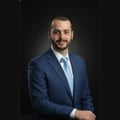



Partner 1: “I reach for you, but it feels like you’re already gone.” I’m left wondering if I matter to you at all.” Partner 2: “When you come close, I feel the pressure to be perfect, so I pull back to protect us both.” These unspoken messages leave couples lonely and stuck. I help break this anxious–avoidant cycle so partners feel safe, seen, and deeply connected again.
“I don’t understand why I want closeness so badly, yet feel disappointed when I have it. Why do I feel lonelier than others, even when I’m not alone?” Or: “I care deeply, but people say I’m distant or hard to read. When emotions get intense, I shut down—not because I don’t feel, but because it feels like too much.”
These quiet tensions live beneath awareness for many people. Longing and self-protection pull in opposite directions. Needs feel confusing, emotions feel overwhelming or unsafe, and core beliefs quietly form—I’m too much, I’m not enough, connection costs me something.
I help people loosen these patterns, reconcile the Self with more truthful and adaptive beliefs, and move toward self-acceptance and interdependence—where connection no longer threatens safety, but deepens it.
After nine years serving in the U.S. Coast Guard, I realized my deepest fulfillment came not from fixing systems, but from walking with people. Leaving the military was not a departure from service—it was a continuation of it. I pursued social work and theological training to better support people in their most important relationships. Today, my practice is devoted to couples counseling and trauma-informed care. Drawing primarily from Emotionally Focused Therapy (EFT) and EMDR, I help couples slow conflict, understand what drives disconnection, and emotional safety. As a veteran and seminary-trained therapist, I bring structure, compassion, and steady hope—meeting clients with respect, grace, and a belief in lasting change.
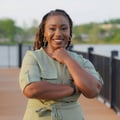
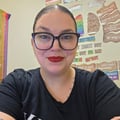
Hi, I’m Deandra, a Licensed Mental Health Counselor (LMHC) and EMDR-trained therapist with over 13 years of helping people navigate anxiety, trauma, and life’s tough transitions. My approach blends evidence-based techniques (like EMDR and CBT) with genuine compassion—because therapy shouldn’t feel cold or clinical.
After earning my Master’s in Mental Health Counseling from Nova Southeastern University, I worked in various settings including: private practice, domestic violence centers, hospitals, elementary to high school education, on-call crisis, detention and rehabilitation centers, specializing in women's and men's health, survivors of trauma, LGBTQ+ folks, or high-achievers battling burnout. I became EMDR-trained in response to the Pulse Night Club Tragedy in Orlando.
When I’m not working with clients, you’ll find me enjoying life by: spending time with family and friends, being outdoors, traveling, or exercising.
I believe healing thrives when you feel safe, understood, and occasionally challenged. If you’re ready for therapy that’s both professional and deeply human, let’s talk.
Deandra Hennemann M.S., LMHC-QS, EMDR-trained

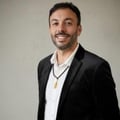

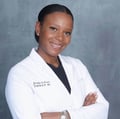
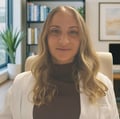
Hello, I’m Abby Pease, LCSW, QS! As a therapist, I strive to create a safe and welcoming space where clients feel truly seen and supported. I bring warmth, energy, and a touch of humor into my work, helping clients navigate challenges while also reminding them that healing doesn’t always have to be heavy. My goal is to walk alongside you with compassion and clarity as you move toward growth and resilience.
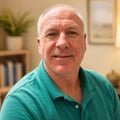
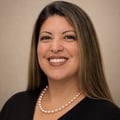
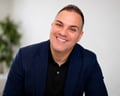



I have over 15 years years of experience working with children, adults, and older adults. I help people with suicidal thoughts, anxiety, depression, ADHD, trauma, bipolar disorder, addiction, PTSD and more. I also have experience with advanced treatments such as TMS, ECT, and Spravato.
Most importantly, I strive to create a warm, supportive, and nonjudgmental space where you feel truly heard, respected, and empowered as we work together toward feeling better.





Frequently asked questions


Find the right addiction counselor for you
Headway makes it easier to find support for overcoming addiction — from finding the right provider, to understanding costs, to scheduling with ease.
Factors to Consider When Choosing an Addiction Therapist in Fort Myers, FL
Finding addiction therapists in Fort Myers starts with knowing what kind of support fits your needs. Addiction care can include support for alcohol use, substance use, compulsive behaviors, relapse prevention, and co-occurring concerns like anxiety, depression, or trauma. As you compare therapists, look for training and specialties that match what you want to address. Some therapists use motivational interviewing, cognitive behavioral therapy for substance use, harm reduction frameworks, or coordination with medication-assisted care. Some people also work with a prescriber as part of their care team.
In Fort Myers, local in-person options may be more limited than in larger Florida cities, so virtual therapy can expand the number of therapists available to you. You may also want to consider nearby areas such as Naples if location, scheduling, or therapist fit matters most. As you narrow your search, review whether a therapist is accepting new clients, offers appointment times that work with your schedule, and provides a free phone consultation. Reading therapist bios can help you understand their approach to addiction care, including whether they describe a non-judgmental style, harm reduction experience, or work with recovery that may change over time.
Therapy in Fort Myers can be a significant investment without insurance. Using in-network insurance is one of the most reliable ways to lower session costs and make ongoing care more accessible. Headway helps you compare therapists who take insurance, see estimated out-of-pocket costs before you book, and choose between virtual and in-person appointments. You can browse addiction therapists in Fort Myers, review bios, check availability, and book directly when you’re ready.
If you or someone you know is experiencing severe withdrawal symptoms — especially from alcohol or benzodiazepines — talk to a medical provider or seek emergency care before starting outpatient therapy. If you or someone you know is struggling with addiction or substance use and is in a crisis, immediately reach out to:
* 988 Suicide & Crisis Lifeline — call or text 988 * SAMHSA National Helpline — 1-800-662-HELP (4357), free, confidential, 24/7 * Crisis Text Line — text HOME to 741741
Use left and right arrow keys to switch tabs. Press Shift+Tab to return to the tab list from links in the selected tab.