Book addiction counseling, covered by insurance
Addiction therapists & psychiatrists in Chicago, IL


Top addiction and substance use disorder therapists and psychiatrists in Chicago, IL
Addiction support in Chicago connects you with 754 licensed providers experienced in recovery, relapse prevention, and evidence-based treatments like CBT, DBT, and motivational interviewing. Sessions are available virtually or in-person, with many accepting insurance to make care accessible.




Dr. Opelt earned his Ph.D. in Counseling Psychology at New Mexico State University after completing his Master’s of Science in Educational Psychology: Community Counseling from the University of Wisconsin - Milwaukee. During his graduate training, he earned certifications in Trauma Counseling and Multicultural Knowledge Basis in Mental Health Practices, and a graduate minor in Integrated Behavioral Health. Dr. Opelt has completed postdoctoral fellowships in research in Rehabilitation Psychology, with an emphasis on Multiple Sclerosis, at Johns Hopkins School of Medicine, and in clinical Rehabilitation and Pain Psychology at MedStar Health National Rehabilitation Hospital. He has focused his clinical work on adults who have concerns about insomnia, cognitive impairment, addiction, LGBT+ concerns, caregiver support, transplants, burn survivors, cancer, musculoskeletal diseases like MS and Parkinson’s disease, and those who have amputations. He is a licensed psychologist in Maryland and Illinois.




Starting therapy can feel intimidating, but you don’t have to figure things out alone. I’m Tamara Whittleton, a Licensed Clinical Social Worker who works with adults navigating stress, anxiety, depression, and major life changes. I focus on creating a supportive environment where clients feel comfortable talking openly while developing practical strategies for growth and healing

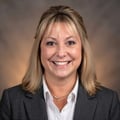













As a Licensed Clinical Social Worker with over 25 years experience in leadership and direct care positions in behavioral health and substance abuse facilities, I remain dedicated to helping individuals respond to and cope with the challenges of life. These include living with anxiety, depression, grief/loss, relationship issues, parenting, or other life's stressors, as well as, the challenges of alcohol or drug abuse disorders. I have frequently witnessed, and believe, recovery is possible and I appreciate the opportuity to assist you in finding the hope, joy and happiness you deserve.






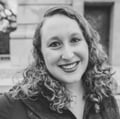




I specialize in counseling individuals with addictions, eating disorders, mood disorders, anxiety disorders, and trauma. My goal as a therapist is to help patients live the life they imagine, so please feel free to come in and let me know what you're struggling with, and we will work collaboratively to figure out the best way to move toward healing. I know life can get really challenging at times, symptoms flare up, you feel lost. I'm here to listen to you and work together to help you cope and rebuild the life you want to live.





Frequently asked questions


Find the right addiction counselor for you
Headway makes it easier to find support for overcoming addiction — from finding the right provider, to understanding costs, to scheduling with ease.
Factors to Consider When Choosing an Addiction Therapist in Chicago
Finding addiction therapists in Chicago starts with understanding what kind of support fits your needs. Addiction care can include support for alcohol use, drug use, prescription substance concerns, gambling, compulsive behaviors, relapse prevention, and co-occurring concerns like anxiety, depression, or trauma. As you compare therapists, look for listed experience with substance use, CBT for substance use, motivational interviewing, harm reduction, relapse prevention, or coordination with medication-assisted care. Some people also work with a psychiatrist as part of their care team.
Chicago has many therapists across neighborhoods like the Loop, Lakeview, Lincoln Park, Hyde Park, and Logan Square, which can make the search feel broad even when there are many options nearby. Consider whether an in-person office fits your commute, transit route, or schedule, or whether virtual sessions give you more flexibility. Recovery can involve changes over time, so it helps to look for a therapist who describes a nonjudgmental approach and experience with harm reduction, recovery planning, or substance use counseling. Reading bios before booking can show how each therapist talks about addiction care, session structure, and fit.
Addiction therapy in Chicago can be a significant expense without insurance. Using in-network insurance is one of the most reliable ways to reduce session costs and make ongoing care more accessible. Headway helps you search for licensed therapists who focus on addiction and are accepting new patients. You can enter your insurance details, see estimated out-of-pocket costs before booking, compare bios, and choose a therapist who matches your needs, schedule, and plan.
If you or someone you know is experiencing severe withdrawal symptoms — especially from alcohol or benzodiazepines — talk to a medical provider or seek emergency care before starting outpatient therapy. If you or someone you know is struggling with addiction or substance use and is in a crisis, immediately reach out to:
* 988 Suicide & Crisis Lifeline — call or text 988 * SAMHSA National Helpline — 1-800-662-HELP (4357), free, confidential, 24/7 * Crisis Text Line — text HOME to 741741
If you're already taking psychiatric medication and considering switching providers, talk to your current prescriber before changing or stopping any medication — most psychiatric medications shouldn't be stopped abruptly. Anyone experiencing thoughts of self-harm or in acute crisis should call 988 or go to the nearest emergency department rather than wait for an outpatient appointment.
Use left and right arrow keys to switch tabs. Press Shift+Tab to return to the tab list from links in the selected tab.