Book addiction counseling, covered by insurance
Addiction therapists & psychiatrists in Chicago, IL


Top addiction and substance use disorder therapists and psychiatrists in Chicago, IL
Addiction support in Chicago connects you with 754 licensed providers experienced in recovery, relapse prevention, and evidence-based treatments like CBT, DBT, and motivational interviewing. Sessions are available virtually or in-person, with many accepting insurance to make care accessible.








Hi, I’m a licensed clinical social worker offering remote therapy for people of all ages and backgrounds. I specialize in PTSD, trauma, anxiety, depression, alcohol and substance use, and stress management. My approach is compassionate, empowering, and grounded in meeting you where you are. I honor each client’s story and help them build on their strengths as they move toward healing and lasting change.


- I am committed to providing a supportive and inclusive environment where everyone feels respected and valued. My practice celebrates diversity and is dedicated to understanding and addressing the unique cultural and personal needs of each patient. At my practice, i understand that everyone faces challenges in life. My goal is to empower you and tap into your own skills to problem-solve and move forward. I believe in creating opportunities for growth and healing through a collaborative approach. When it comes to prescribing medication, My philosophy is to prioritize minimal intervention with maximum benefit. I aim to find the most effective treatment plan tailored to your needs, minimizing medication while maximizing therapeutic outcomes.






I believe quality mental health care starts with feeling heard and respected. I take a collaborative, patient-centered approach and work to understand the whole person, not just symptoms. My goal is to provide a supportive, nonjudgmental space while offering thoughtful, evidence-based psychiatric care tailored to each individual’s needs.


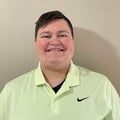


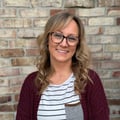




Healing the mind starts with being truly heard. I’m Dr. Joetta Little, DNP, APRN, PMHNP-BC, a board-certified Psychiatric-Mental Health Nurse Practitioner who helps adults navigate a wide range of mental health challenges—from anxiety, depression, and trauma to mood, thought, and personality disorders. My approach combines evidence-based treatment with empathy and collaboration, creating a safe space where every story matters. Whether you’re seeking stability, clarity, or peace, we’ll work together to uncover what wellness looks like for you.✨ Your healing starts here—with care that sees the whole person, not just the diagnosis.

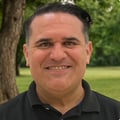

Hello, I am Pamela "Paige" Lees. I have been a licensed therapist for 30 years. I have worked with a wide variety of people and together tackled a multitude of life's problems. I have a master's degree in clinical psychology from the University of Illinois and a bachelor's degree in Psychology from Eastern Illinois University. I enjoy working with individuals and I specialize family problems of all kinds.










I’m dedicated to providing compassionate, evidence-based mental health care for individuals of all backgrounds. My goal is to create a safe space where you feel supported, understood, and empowered to take control of your mental well-being. I value collaboration, transparency, and genuine connection in the healing process.

Frequently asked questions


Find the right addiction counselor for you
Headway makes it easier to find support for overcoming addiction — from finding the right provider, to understanding costs, to scheduling with ease.
Factors to Consider When Choosing an Addiction Therapist in Chicago
Finding addiction therapists in Chicago starts with understanding what kind of support fits your needs. Addiction care can include support for alcohol use, drug use, prescription substance concerns, gambling, compulsive behaviors, relapse prevention, and co-occurring concerns like anxiety, depression, or trauma. As you compare therapists, look for listed experience with substance use, CBT for substance use, motivational interviewing, harm reduction, relapse prevention, or coordination with medication-assisted care. Some people also work with a psychiatrist as part of their care team.
Chicago has many therapists across neighborhoods like the Loop, Lakeview, Lincoln Park, Hyde Park, and Logan Square, which can make the search feel broad even when there are many options nearby. Consider whether an in-person office fits your commute, transit route, or schedule, or whether virtual sessions give you more flexibility. Recovery can involve changes over time, so it helps to look for a therapist who describes a nonjudgmental approach and experience with harm reduction, recovery planning, or substance use counseling. Reading bios before booking can show how each therapist talks about addiction care, session structure, and fit.
Addiction therapy in Chicago can be a significant expense without insurance. Using in-network insurance is one of the most reliable ways to reduce session costs and make ongoing care more accessible. Headway helps you search for licensed therapists who focus on addiction and are accepting new patients. You can enter your insurance details, see estimated out-of-pocket costs before booking, compare bios, and choose a therapist who matches your needs, schedule, and plan.
If you or someone you know is experiencing severe withdrawal symptoms — especially from alcohol or benzodiazepines — talk to a medical provider or seek emergency care before starting outpatient therapy. If you or someone you know is struggling with addiction or substance use and is in a crisis, immediately reach out to:
* 988 Suicide & Crisis Lifeline — call or text 988 * SAMHSA National Helpline — 1-800-662-HELP (4357), free, confidential, 24/7 * Crisis Text Line — text HOME to 741741
If you're already taking psychiatric medication and considering switching providers, talk to your current prescriber before changing or stopping any medication — most psychiatric medications shouldn't be stopped abruptly. Anyone experiencing thoughts of self-harm or in acute crisis should call 988 or go to the nearest emergency department rather than wait for an outpatient appointment.
Use left and right arrow keys to switch tabs. Press Shift+Tab to return to the tab list from links in the selected tab.