Book addiction counseling, covered by insurance
Addiction therapists & psychiatrists in Arlington, VA


Top addiction and substance use disorder therapists and psychiatrists in Arlington, VA
Addiction recovery in Arlington is supported by Headway's network of 1,005 licensed providers trained in evidence-based modalities like Cognitive Behavioral Therapy, Motivational Interviewing, and Harm Reduction strategies. Whether you're navigating alcohol addiction, substance use disorder, or behavioral addictions, virtual and in-person sessions help address triggers, cravings, and relapse prevention with compassionate care.
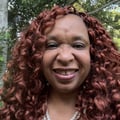
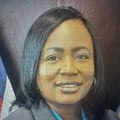
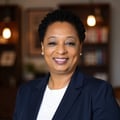
Melinda is a trauma informed, Licensed Professional Counselor in the state of Virginia, with the Virginia Board of Counseling. She is also the owner of Triumphant Coaching & Counseling, LLC. Melinda graduated from Hampton University in 1991 with a B.A. in Sociology. She served in the Navy for 12 years as a Human Resource Officer, obtaining the rank of Lieutenant Commander. She acquired her master’s degree in human resource development in 2001, and she acquired her Master of Arts in Mental Health Counseling Degree from Nyack College, Alliance Graduate School of Counseling in New York City in 2014.
.


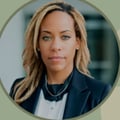


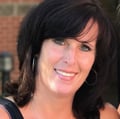


I hold a Masters in Marriage, Family, Child Counseling from San Francisco State University. I specialize in self-esteem and working with attachment-related trauma, which is sometimes referred to as complex trauma or inner child wounding. Complex trauma can often look like anxiety, depression, unhealthy patterns, or a cycle of unfulfilling relationships.

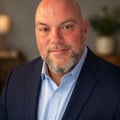
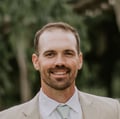
Andrew is a Licensed Professional Counselor (LPC), National Certified Counselor (NCC), and Approved Clinical Supervisor (ACS) dedicated to helping individuals heal from trauma, overcome addiction, and build meaningful, lasting change. He earned his master's degree from Troy University in Tampa, Florida, and is currently completing a Ph.D. in Counselor Education and Supervision.
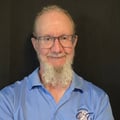
Prior to entering the counseling profession, Andrew served in the United States Army in support of Operation Iraqi Freedom. His military background, along with specialized training in trauma and addiction therapies, allows him to connect with clients through a practical, compassionate, and evidence-based approach that honors each person's unique experiences and goals.
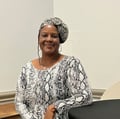
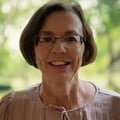
Hi, I’m Marlane.
Taking the first step toward therapy can feel overwhelming, but you don’t have to face life’s challenges alone. I provide a safe, supportive space for individuals and families navigating stress, trauma, emotional challenges, and substance use concerns.
With over five years of experience supporting clients in crisis, I use a collaborative approach tailored to your unique needs. Through evidence-based approaches such as CBT and trauma-focused CBT, we will work together to build coping skills, improve emotional wellness, strengthen communication, and create meaningful change.
My goal is to help you feel empowered, resilient, and confident as you move forward.
.JPG)


We all encounter difficulty in life; it’s inevitable. Nowadays, we have the knowledge to know it takes more than physical health, or good nutrition to be well. In order to have a fulfilling life, we must take care of all aspects of our lives. At times, all we need is to lean into our own resources to cope. Other times we need a neutral person to place adequate tools in our path to help us move forward and thrive.




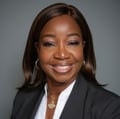

I’m Dr. Carly Ellman, a Licensed Clinical Social Worker and sports social worker with over 15 years of experience supporting individuals, families, and athletes across a wide range of life transitions.
My therapy style is warm, honest, collaborative, and grounded in compassion. I believe you are the expert of your own life, and my role is to help you build clarity, confidence, and tools that support your wellbeing both inside and outside the therapy room.
Whether you’re navigating anxiety, burnout, life transitions, relationship challenges, sport-related stress, or a desire for deeper self-understanding, you’ll find a safe, non-judgmental place to explore and grow.
My background includes clinical practice, college teaching, and working directly with youth, parents, and coaches to strengthen mental health, resilience, and relationships through evidence-based approaches.
I’ve also earned a Sports Social Work Certificate and serve on the U.S. Olympic & Paralympic Committee Mental Health Registry, where I work with athletes navigating performance pressure, identity, anxiety, and stress.










I am a Licensed Clinical Social Worker (LCSW) with extensive experience providing evidence-based mental health services to adolescents, adults, couples, families, and elite athletes. Help athletes in their mental skills and performance.
My approach is compassionate, collaborative, and goal-oriented, helping clients develop practical strategies to overcome challenges while building resilience and lasting emotional well-being.
I earned my Master of Social Work degree from the University of Puerto Rico and have worked across outpatient mental health, crisis intervention, community behavioral health, and professional sports. I currently serve as a Mental Health Team Counselor with the Baltimore Orioles organization, where I support professional athletes in managing stress, anxiety, performance demands, life transitions, and overall psychological wellness.
My clinical experience includes treating anxiety, depression, trauma, adjustment disorders, relationship concerns, grief and loss, stress management, self-esteem, and life transitions. I integrate evidence-based approaches such as Cognitive Behavioral Therapy (CBT), Motivational Interviewing (MI), Solution-Focused Therapy, and strengths-based interventions, tailoring treatment to each client’s unique goals and needs.
I believe that meaningful change begins with a trusting therapeutic relationship. My goal is to provide a safe, supportive, and nonjudgmental environment where clients feel heard, empowered, and equipped with the tools they need to thrive both personally and professionally.




Frequently asked questions


Find the right addiction counselor for you
Headway makes it easier to find support for overcoming addiction — from finding the right provider, to understanding costs, to scheduling with ease.
Factors to Consider When Choosing an Addiction Therapist in Arlington, VA
Finding addiction therapists in Arlington starts with matching the type of support to your specific needs. Addiction care can include support for alcohol use, substance use, behavioral addictions, cravings, and relapse prevention. Some therapists list experience with motivational interviewing, cognitive behavioral therapy for substance use, harm reduction, or coordination with medication-assisted care. If medication may be part of your care plan, you may also want a psychiatrist or other qualified prescriber on your care team.
Arlington has both local office options and access to virtual addiction therapy across Virginia, which can help you find a therapist whose approach and schedule fit your life. Some people prefer meeting in person near home, work, or transit, while others prefer virtual sessions that reduce commute time. As you compare therapists, look at appointment availability, whether they offer a free phone consultation, and how they describe their experience with addiction care. A bio can show whether a therapist uses a nonjudgmental approach, has experience with harm reduction, and works with the concerns most relevant to you.
Therapy in Arlington can be a significant expense without insurance. Using in-network insurance is one of the most reliable ways to reduce session costs and understand what you may pay before you book. Headway helps you find addiction therapists who are accepting new patients and offers tools to check coverage and view cost estimates based on your plan. You can review therapist profiles, compare availability, and book directly when you’re ready.
If you or someone you know is experiencing severe withdrawal symptoms — especially from alcohol or benzodiazepines — talk to a medical provider or seek emergency care before starting outpatient therapy. If you or someone you know is struggling with addiction or substance use and is in a crisis, immediately reach out to:
* 988 Suicide & Crisis Lifeline — call or text 988 * SAMHSA National Helpline — 1-800-662-HELP (4357), free, confidential, 24/7 * Crisis Text Line — text HOME to 741741
If you're already taking psychiatric medication and considering switching providers, talk to your current prescriber before changing or stopping any medication — most psychiatric medications shouldn't be stopped abruptly. Anyone experiencing thoughts of self-harm or in acute crisis should call 988 or go to the nearest emergency department rather than wait for an outpatient appointment.
Use left and right arrow keys to switch tabs. Press Shift+Tab to return to the tab list from links in the selected tab.