Book addiction counseling, covered by insurance
Addiction therapists & psychiatrists in Memphis, TN


Top addiction and substance use disorder therapists and psychiatrists in Memphis, TN
Headway connects Memphis residents struggling with substance use, alcohol, or behavioral addictions to 365 licensed providers specializing in evidence-based recovery approaches like CBT, motivational interviewing, and harm reduction. Our providers offer flexible virtual or in-person sessions with free consultations and availability within two weeks.


I am a psychiatric mental health nurse practitioner serving clients in Tennessee. I specialize in helping clients manage depression, anxiety, OCD, insomnia, PTSD, substance abuse, and bipolar disorder with a combination of medication and therapy.











We all have things we're afraid to talk about, but we also have a lot more control over these fears than we realize. I hope to help you unlock the courage to tackle these fears and take control of them.

Dr. Murphy is a Licensed Clinical Social Worker with nearly 40 years of experience in counseling individuals and families. She specializes in various areas of psychotherapy in including – Christian focused, Trauma focused, Addiction and recovery, Veteran PTSD and Military sexual trauma, depression/anxiety/bipolar disorder, Grief and victims of abuse.
Education:
Bachelor of Arts in Social Work from the University of Michigan in Flint, MI.
Master Social Work from Eastern Michigan in Ypsilanti, MI.
Doctorate in Behavioral Health and Integrated Primary Care from Arizona State University
Additional Credentials - Certified Master Addiction Counselor (PMAC), Certified Process therapy – trauma focused (CPT), Cognitive Behavioral Treatment in Chronic Pain (CBT-CP)


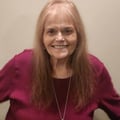




In this space, you get to decide. I will walk through this stage of change with you. I have worked in community mental health, residential treatment, and intensive outpatient settings. I graduated from Lipscomb University with a degree in Clinical Mental Health Counseling, specializing in Addictions Counseling.
















I am an individual counseling with over 12 years of experience at the Post-Graduate level. I specialize in working with adults and have experience with many clinical settings, including In-patient care, community mental health and private practice. I also provide Clinical Supervision for counselors that are on track to become licensed in the state of Tennessee.



Frequently asked questions


Find the right addiction counselor for you
Headway makes it easier to find support for overcoming addiction — from finding the right provider, to understanding costs, to scheduling with ease.
Factors to Consider When Choosing an Addiction Therapist in Memphis, TN
Searching for addiction therapists in Memphis starts with finding someone whose experience matches the type of support you want. Addiction care can include support for alcohol use, drug use, sexual behavior concerns, gambling, or other behavioral patterns. Some therapists use motivational interviewing, cognitive behavioral therapy for substance use, or harm reduction-informed approaches. If medication may be part of your care, you may also want a psychiatrist or other prescriber on your care team.
Memphis has a range of addiction therapists, but the right fit depends on more than specialty. Consider whether you prefer in-person sessions near your neighborhood or virtual appointments that widen your options across Tennessee. Look for therapists who are accepting new patients, offer appointment times that fit your schedule, and clearly describe their approach to addiction recovery. Reading therapist bios can help you see whether they use a direct, nonjudgmental style and have experience with the concerns you want to address.
Addiction therapy in Memphis can be a significant investment without insurance. Using in-network insurance is one of the most reliable ways to reduce session costs and understand what you may pay before you book. Headway helps you find addiction therapists who accept a wide range of insurance plans, show available appointment times, and offer profile details that make comparing fit easier. You can browse therapists, review bios, and book directly when you’re ready.
If you or someone you know is experiencing severe withdrawal symptoms — especially from alcohol or benzodiazepines — talk to a medical provider or seek emergency care before starting outpatient therapy. If you or someone you know is struggling with addiction or substance use and is in a crisis, immediately reach out to:
* 988 Suicide & Crisis Lifeline — call or text 988 * SAMHSA National Helpline — 1-800-662-HELP (4357), free, confidential, 24/7 * Crisis Text Line — text HOME to 741741
If you're already taking psychiatric medication and considering switching providers, talk to your current prescriber before changing or stopping any medication — most psychiatric medications shouldn't be stopped abruptly. Anyone experiencing thoughts of self-harm or in acute crisis should call 988 or go to the nearest emergency department rather than wait for an outpatient appointment.
Use left and right arrow keys to switch tabs. Press Shift+Tab to return to the tab list from links in the selected tab.