Book addiction counseling, covered by insurance
Addiction therapists & psychiatrists in Asheville, NC


Top addiction and substance use disorder therapists and psychiatrists in Asheville, NC
Find specialized addiction support in Asheville with providers trained in 12-Step Facilitation, SMART Recovery, and relapse prevention strategies. Headway connects you with 853 licensed providers who understand triggers, cravings, and the recovery journey—with flexible scheduling and virtual options to support your path to sobriety.





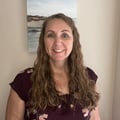

I am a queer-identified African American cisgender woman. My pronouns are she/her. I hold a Master of Science in Mental Health Counseling degree. I have over 12 years of experience effectively treating mental health and substance abuse concerns in LGBTQIA2S+ persons (sex positive; kink affirming), BIPOC and other PGM folx, and femme-identified persons.
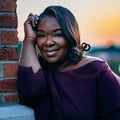
I am a warm and encouraging psychotherapist with over 15 years of experience in the field. I hold a Ph.D. in Counselor Education & Supervision and I’m licensed to practice in North & South Carolina. I’m known for having a compassionate and empathetic approach to therapy, creating a safe and non-judgmental space for my clients. In short, I believe that Jesus+Therapy=Healing!

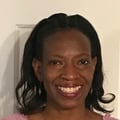



I believe that humans should ideally be unfolding and growing throughout their lifetime. This means embracing change, especially when life gets difficult and we feel stuck, dissatisfied, or overwhelmed. Change is a journey with ups and downs. Personally, I believe we all struggle with challenges at different times in our life and it's the courageous who seek help.
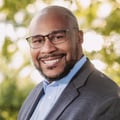

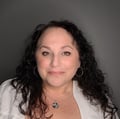
Hi, I'm Margeaux Groene, a licensed professional counselor (LPC) in the Commonwealth of Virginia, North Carolina, and South Carolina. I bring a wealth of experience and passion to my work with adolescents and adults seeking help with anxiety disorders, mood disorders, post-traumatic stress disorders (PTSD), and substance use disorders. Originally from Tidewater, Virginia, I graduated from Calvin College with a Bachelor of Arts in Organizational Communication and earned my Master of Arts in Clinical Mental Health Counseling from Liberty University. During my counseling internship, I focused on the effective use of telehealth treatment with the adolescent population. I am skilled in the treatment of substance use disorders, anxiety disorders, depressive disorders, and co-occurring disorders such as depression and trauma. My previous positions with Synergy Counseling LLC, Caron Treatment Center’s Northern Virginia location, and most recently, New Paradigm Recovery, have given me years of experience working in partial hospitalization and intensive outpatient settings. These experiences have honed my specialization in the treatment of co-occurring substance use disorders and PTSD. My passion for working with clients suffering from unresolved trauma and clinically treatable PTSD led me to obtain training in Eye Movement Desensitization and Reprocessing (EMDR) through the EMDRIA-approved Center for Excellence in EMDR Therapy in January 2022. Let's work together to help you achieve your goals and improve your well-being!
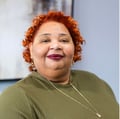

Jessica Dixon is a licensed clinical social worker both in South Carolina and North Carolina and has 6+ years of experience.
She received her Master’s Degree in Social Work at Winthrop University.
Jessica has a range of experience of working with people who have depression, anxiety, stress, trauma, life transitions, spirituality, etc.

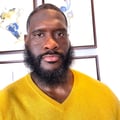
My name is Judy Jepsen, I'm a Licensed Professional Clinical Counselor (LPCC) in Kentucky and a Licensed Clinicial Mental Health Counselor (LCMHC) in North Carolina. I’m also a Nationally Certified Counselor (NCC). I specialize in treating clients 18+ experiencing issues with anxiety, depression, OCD, ADHD, grief and loss, relationship issues, work- and school-related stress, pre- and post-divorce, those in recovery from substance use disorders, trauma, and various adjustment issues. I have special interest and training in treating survivors of narcissistic abuse. (Fun Fact: Prior to entering the counseling field I was an elementary school teacher in NYC.)















Frequently asked questions


Find the right addiction counselor for you
Headway makes it easier to find support for overcoming addiction — from finding the right provider, to understanding costs, to scheduling with ease.
Factors to Consider When Choosing an Addiction Therapist in Asheville
Finding addiction therapists in Asheville starts with matching the therapist’s experience to the kind of support you want. Addiction care can include support for substance use, alcohol use, behavioral concerns, cravings, relapse prevention, and related concerns like anxiety, depression, or trauma. As you compare therapists, look for training in approaches such as motivational interviewing, cognitive behavioral therapy for substance use, harm reduction, or coordination with medication-based care. Some people may also include a psychiatrist or other prescriber as part of their care team.
Asheville has a smaller local therapy market than larger North Carolina cities, so virtual appointments can expand the number of therapists available to you. You may prefer an in-person office near Asheville, or you may want virtual sessions that fit your schedule more easily. Recovery can change over time, so it helps to look for a therapist who describes a nonjudgmental style and experience with harm reduction, relapse prevention, or substance use counseling. Reading bios can also show how each therapist structures sessions, communicates, and supports people with addiction-related concerns.
Therapy in Asheville can be a significant investment without insurance. Using in-network insurance is one of the most reliable ways to reduce session costs and understand what you may pay before you book. Headway helps you compare therapists who are accepting new patients, review estimated out-of-pocket costs after you enter your insurance details, and book directly when you’re ready. You can browse addiction therapists in Asheville, review bios, and choose someone who matches your needs, schedule, and plan.
If you or someone you know is experiencing severe withdrawal symptoms — especially from alcohol or benzodiazepines — talk to a medical provider or seek emergency care before starting outpatient therapy. If you or someone you know is struggling with addiction or substance use and is in a crisis, immediately reach out to:
* 988 Suicide & Crisis Lifeline — call or text 988 * SAMHSA National Helpline — 1-800-662-HELP (4357), free, confidential, 24/7 * Crisis Text Line — text HOME to 741741
If you're already taking psychiatric medication and considering switching providers, talk to your current prescriber before changing or stopping any medication — most psychiatric medications shouldn't be stopped abruptly. Anyone experiencing thoughts of self-harm or in acute crisis should call 988 or go to the nearest emergency department rather than wait for an outpatient appointment.
Use left and right arrow keys to switch tabs. Press Shift+Tab to return to the tab list from links in the selected tab.