Book addiction counseling, covered by insurance
Addiction therapists & psychiatrists in Asheville, NC


Top addiction and substance use disorder therapists and psychiatrists in Asheville, NC
Find specialized addiction support in Asheville with providers trained in 12-Step Facilitation, SMART Recovery, and relapse prevention strategies. Headway connects you with 853 licensed providers who understand triggers, cravings, and the recovery journey—with flexible scheduling and virtual options to support your path to sobriety.




I have experience in several treatment settings, including inpatient and outpatient. I work with adults navigating anxiety, depression, and various addictions, as well as seniors experiencing challenges unique to their life phase.



As a board-certified psychotherapist, I believe prioritizing mental health is key to mental stability in life. Seeking help can be one of the hardest parts, so congratulations on taking that step! I’ve been practicing for over 10 years. I have had the opportunity to support individuals and families in their journey to healing and resilience.





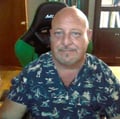

Im Kendra, I have a bachelors in fine art, and I received my Masters in Clinical Mental Health Counseling in 2022. I draw on four years of working in community mental health with folks recovering from substance abuse and behaviors that no longer helpful or are directly harming relationships and mental health. I have lived experience with recovery and loving people struggling with addiction. I have been described as a warm, curious, compassionate, and empowering counselor. I offer trauma‐informed care that is inclusive to all humans, healing happens when you can show up as your authentic and full self!


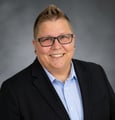









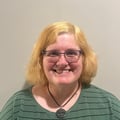



I specialize in working with adults who are struggling with issues such as depression, anxiety, substance use, trauma, and pregnancy & postpartum changes. As a dually licensed therapist and addiction specialist, I have worked in community mental health for 14yrs in a variety of settings and had the honor to walk alongside a diverse range of people in their healing journey. I believe healing happens in the context of safety, trust, and connection. Together we will find the right balance of the "why" and "what now." My ideal client comes with an open-mindedness and curiosity to explore themselves and are motivated to practice experiential activities both in and outside the session.




I attended the University of South Carolina, served in the United States Air Force.




Frequently asked questions


Find the right addiction counselor for you
Headway makes it easier to find support for overcoming addiction — from finding the right provider, to understanding costs, to scheduling with ease.
Factors to Consider When Choosing an Addiction Therapist in Asheville
Finding addiction therapists in Asheville starts with matching the therapist’s experience to the kind of support you want. Addiction care can include support for substance use, alcohol use, behavioral concerns, cravings, relapse prevention, and related concerns like anxiety, depression, or trauma. As you compare therapists, look for training in approaches such as motivational interviewing, cognitive behavioral therapy for substance use, harm reduction, or coordination with medication-based care. Some people may also include a psychiatrist or other prescriber as part of their care team.
Asheville has a smaller local therapy market than larger North Carolina cities, so virtual appointments can expand the number of therapists available to you. You may prefer an in-person office near Asheville, or you may want virtual sessions that fit your schedule more easily. Recovery can change over time, so it helps to look for a therapist who describes a nonjudgmental style and experience with harm reduction, relapse prevention, or substance use counseling. Reading bios can also show how each therapist structures sessions, communicates, and supports people with addiction-related concerns.
Therapy in Asheville can be a significant investment without insurance. Using in-network insurance is one of the most reliable ways to reduce session costs and understand what you may pay before you book. Headway helps you compare therapists who are accepting new patients, review estimated out-of-pocket costs after you enter your insurance details, and book directly when you’re ready. You can browse addiction therapists in Asheville, review bios, and choose someone who matches your needs, schedule, and plan.
If you or someone you know is experiencing severe withdrawal symptoms — especially from alcohol or benzodiazepines — talk to a medical provider or seek emergency care before starting outpatient therapy. If you or someone you know is struggling with addiction or substance use and is in a crisis, immediately reach out to:
* 988 Suicide & Crisis Lifeline — call or text 988 * SAMHSA National Helpline — 1-800-662-HELP (4357), free, confidential, 24/7 * Crisis Text Line — text HOME to 741741
If you're already taking psychiatric medication and considering switching providers, talk to your current prescriber before changing or stopping any medication — most psychiatric medications shouldn't be stopped abruptly. Anyone experiencing thoughts of self-harm or in acute crisis should call 988 or go to the nearest emergency department rather than wait for an outpatient appointment.
Use left and right arrow keys to switch tabs. Press Shift+Tab to return to the tab list from links in the selected tab.